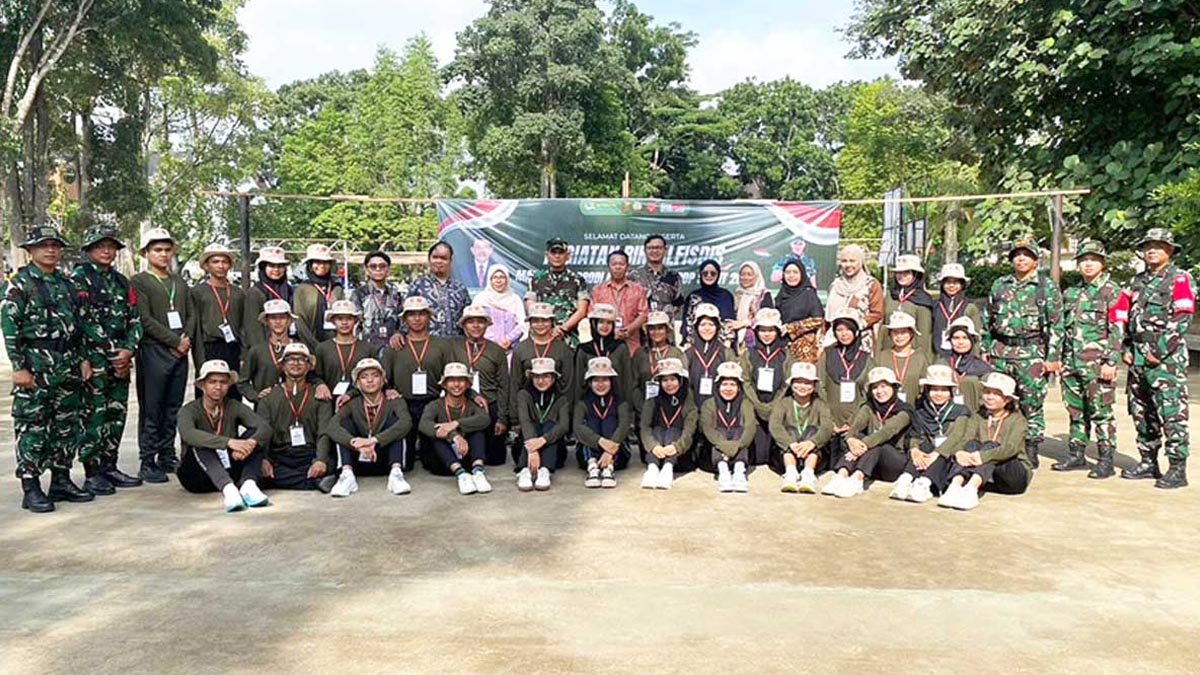
PALMOILMAGAZINE, MENDALO – Universitas Jambi (UNJA) has once again been selected as a host institution for the 2026 Plantation Human Capital Development Education Program, supported by the Plantation Fund Management Agency (BPDP). Through its Diploma III Chemical Analysis Study Program under the Faculty of Science and Technology (FST), the university will offer 30 fully funded scholarships for students pursuing careers in Indonesia’s plantation sector.
Based on BPDP Announcement No. PENG-3/BPDP/2026 dated May 11, 2026, UNJA was named among 42 universities nationwide selected to implement the Plantation Human Capital Development Program. The appointment marks the second consecutive time the university’s Diploma III Chemical Analysis Program has been entrusted with the initiative after successfully administering the program in a previous cycle.
Dhian Eka Wijaya, Coordinator of the Diploma III Chemical Analysis Program at FST UNJA, said the renewed appointment reflects national recognition of the program’s academic quality and institutional readiness.
Also Read: Agrinas Palma Nusantara Explores Green Energy Development Partnership with Korean Consortium
“This designation represents BPDP’s confidence in our educational governance, academic quality, and the resources available within the Diploma III Chemical Analysis Program at UNJA,” Dhian said, as quoted by Palmoilmagazine.com on Wednesday (June 17, 2026).
According to Dhian, the program’s successful track record played an important role in the evaluation process conducted by BPDP.
“Our previous experience as an education provider for the Plantation Human Capital Development Program has been a valuable asset. We continue to evaluate and improve the program to ensure higher quality implementation in the future,” he said.
Also Read: India’s Vegetable Oil Imports Climb 8%, Soybean Oil Gains Ground Against Palm Oil
Supporting the Needs of the Plantation Industry
The selection process was highly competitive, involving assessments of academic performance, institutional capacity, infrastructure readiness, faculty competence, and the ability of participating universities to meet the evolving needs of Indonesia’s plantation industry.
Dhian noted that the relevance of the program’s curriculum to industry requirements was one of the key factors behind UNJA’s success in securing the scholarship program.
Also Read: Final Call: Registration for Indonesia’s 2026 Palm Oil Scholarship Closes on June 20
Skills in chemical analysis are increasingly important for quality assurance and quality control across plantation commodities, including the palm oil industry.
The curriculum is designed using an Outcome-Based Education (OBE) approach and includes courses covering palm oil quality analysis, sampling techniques, laboratory safety, and the operation of analytical instruments commonly used in industrial laboratories.
The study program is also supported by well-equipped teaching and instrumentation laboratories, while its faculty members possess expertise in analytical chemistry, organic chemistry, instrumentation, and research related to natural materials and biomaterials.
Also Read: CPOPC Empowers Global Youth to Champion Sustainable Palm Oil Through YEAs Program
Strategic Location for Palm Oil Education
Another advantage for UNJA is its location in Jambi Province, one of Indonesia’s major plantation-producing regions. This provides students with greater opportunities to engage in field practice, industrial internships, and applied research directly linked to the palm oil sector.
Under the 2026 BPDP Palm Oil Human Capital Scholarship scheme, the university will admit 30 students in a dedicated class. The final quota allocation will be confirmed through a decree issued by the President Director of BPDP.
Also Read: Riau Independent FFB Prices Jump Over IDR 400/kg in Strong Weekly Rebound
Dhian encouraged prospective scholarship recipients to view the program not merely as financial assistance but as an opportunity to build professional competencies for the future.
“Students receiving the BPDP Palm Oil Human Capital Scholarship are expected to develop strong competencies, character, discipline, and knowledge as future professionals who will contribute to the advancement of Indonesia’s plantation sector,” he said.
For UNJA, the continuation of the program further reinforces the role of higher education institutions in supporting national plantation development through the creation of skilled, innovative, and globally competitive human resources.
Further information regarding application requirements and the registration schedule for the 2026 BPDP Palm Oil Human Capital Scholarship Program will be announced through the official channels of the Diploma III Chemical Analysis Program, Faculty of Science and Technology, Universitas Jambi. (P2)