
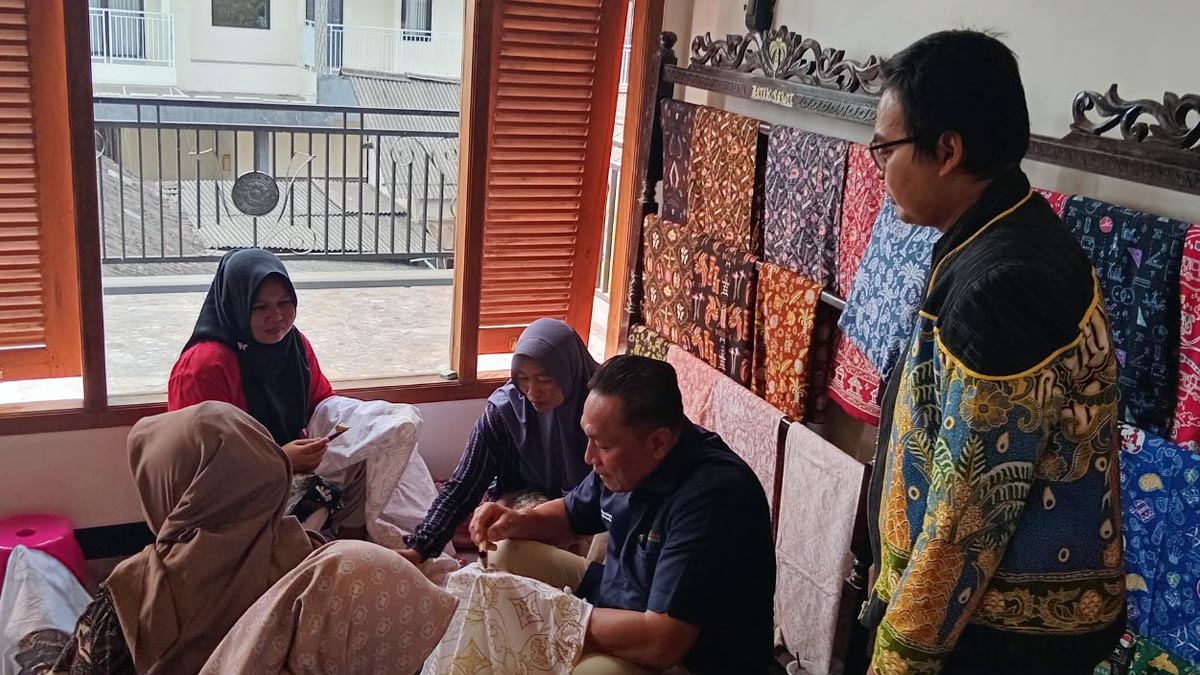
The partnership with CV Smart Batik Indonesia promotes palm-based batik wax using palm stearin and stearic acid, while supporting artisans, MSMEs, product innovation and cultural preservation in Yogyakarta.
PALMOILMAGAZINE, YOGYAKARTA, INDONESIA — PT Agrinas Palma Nusantara (Persero) has partnered with CV Smart Batik Indonesia to develop a palm-based batik creative-industry ecosystem in Yogyakarta, expanding the use of palm oil derivatives beyond conventional food, oleochemical and biofuel applications.
The collaboration is also aimed at strengthening community empowerment and creating new business opportunities for micro, small and medium enterprises (MSMEs) through skills development, production capacity, product innovation and the commercialization of palm-based batik products.
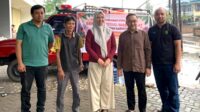
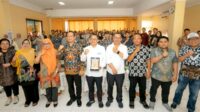
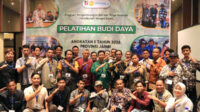
The partnership was formalized through the signing of a cooperation agreement in Sleman, Yogyakarta. The event was attended by Agrinas Palma Nusantara’s Head of Public Relations and Social and Environmental Responsibility (TJSL) Division, Gatut Mukti, and Head of the TJSL Subdivision, Nurhasanah Shihab.
According to information received by PalmOilMagazine on Saturday (Oct. 24), the initiative forms part of a broader program to develop a palm-based batik creative-industry ecosystem in the Special Region of Yogyakarta.
The program covers human-resource development, strengthening production centers, innovation in batik products and motifs, and the development of palm-derived materials for traditional textile products, or wastra.
Also Read: PTPN IV PalmCo Steps Up Kalimantan Fire Response With Water, Masks and 594 Safety Units
Palm-Based Batik Wax
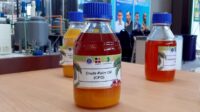
Smart Batik Indonesia has developed its Batik Sawit innovation since late 2023. The process uses batik wax, or malam, incorporating palm-derived materials such as palm stearin and stearic acid as part of the wax formulation.
These palm-based materials can replace conventional animal-derived materials and part of the paraffin traditionally used in batik wax.
Also Read: KPBN Inacom CPO Price Rises IDR 82 to IDR 15,200/kg on Friday (Oct. 23), Rotterdam CPO Strengthens
Palm-derived ingredients account for around 10%–15% of the formulation and are reported to provide several advantages over conventional batik wax, including improved comfort for artisans during the production process, smoother application and lower levels of residual waste.
The initiative demonstrates how palm oil derivatives can be incorporated into Indonesia’s creative economy while creating additional value from downstream palm products.
Expanding the Batik Sawit Ecosystem
The cooperation is part of the Palm-Based Batik Creative Industry Ecosystem Development Program in Yogyakarta, which seeks to build a more integrated value chain involving artisans, MSMEs, educational institutions and business partners.
Key activities include improving the skills and capacity of human resources, strengthening production centers, developing new products and motifs, and expanding the use of palm-derived materials in wastra-based products.
The program also includes Batik Sawit Goes to School, an educational initiative designed to introduce palm-based batik to younger generations.
Another initiative, Batik Sawit Goes to Palm Oil Region, is intended to promote the products and strengthen market opportunities in areas where the palm oil industry operates.
Agrinas Palma Nusantara and its partners will also develop special batik motifs associated with Agrinas Palma as a shared identity for the initiative.
Also Read: Malaysia CPO Futures Rise Across Contracts as Export Demand Strengthens, KPBN Price Hits IDR 15,200
Supporting MSMEs and Cultural Preservation
Through the partnership, Agrinas Palma Nusantara aims to strengthen community participation and support MSMEs by improving skills, creativity and opportunities for business development.
The company expects the development of palm-based batik to generate additional economic value while contributing to the preservation of Indonesia’s batik heritage and the growth of its creative industries.
Also Read: Indonesia Promotes Palm Oil Waste as Alternative Livestock Feed to Cut Costs
Agrinas Palma Nusantara said it remains committed to implementing social and environmental responsibility programs that are relevant to community needs, targeted and sustainable.
Through collaboration with educational institutions and business partners, the company aims to broaden the social and economic benefits of its operations while contributing to Indonesia’s broader development agenda. (P3)