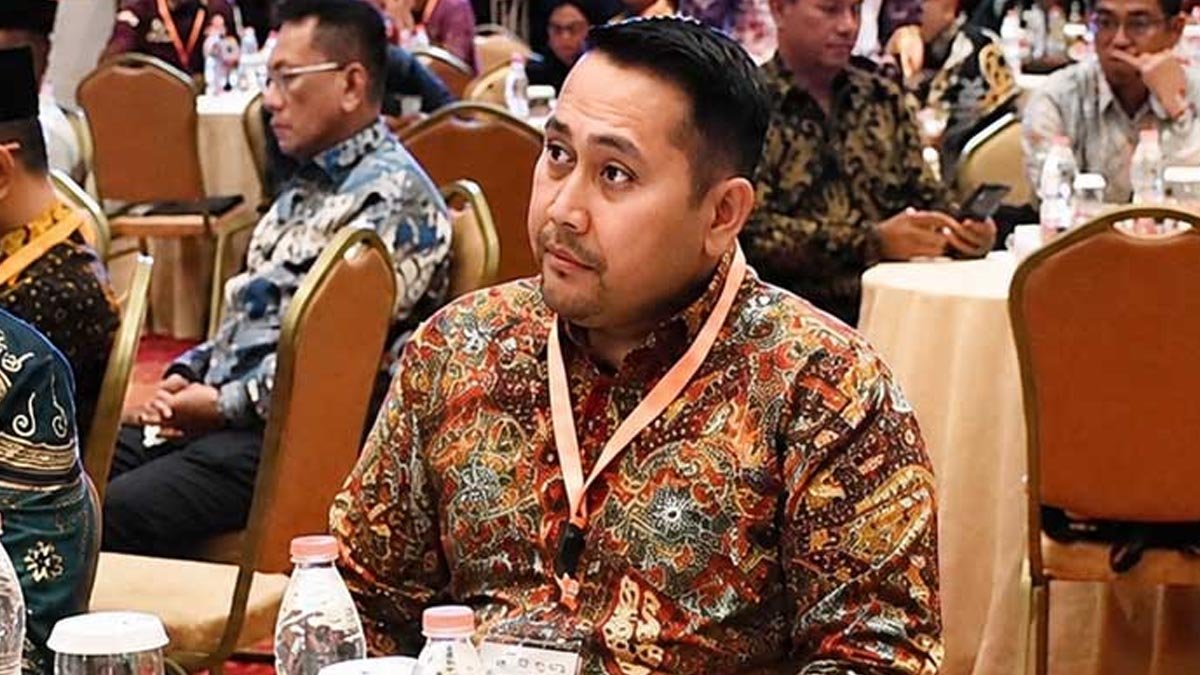
PALMOILMAGAZINE, JAKARTA – The Merangin Regency Government has reaffirmed its commitment to supporting the accelerated implementation of Indonesia’s B50 biodiesel program, viewing it as a key driver of palm oil downstream development and national energy self-sufficiency.
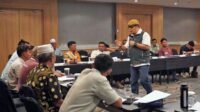
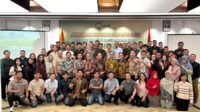
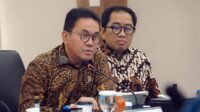
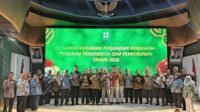
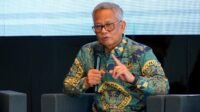
Merangin Regent H. M. Syukur expressed the support after attending the AKPSI Workshop and Sawit Expo 2026, themed “Palm Oil for the People,” held at the Bidakara Hotel Ballroom in South Jakarta on Tuesday. The event brought together regional governments, palm oil industry stakeholders, smallholders, and state-owned enterprises (SOEs) to discuss strategies for strengthening Indonesia’s palm oil sector.
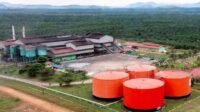
According to Syukur, the B50 mandate—which blends 50% palm oil-based biodiesel with 50% conventional diesel—is a strategic policy that can reduce the country’s reliance on imported fossil fuels while creating greater value from domestic palm oil production.
Also Read: Prabowo Launches B50 Biodiesel, Declares Indonesia First Nation to Mandate 50% Palm-Based Fuel Blend
“We fully support the sustainable development of the palm oil sector, with a strong focus on improving community welfare,” Syukur said, as quoted by Palmoilmagazine.com from the Merangin Regency Government on Friday (July 10, 2026).
He emphasized that the success of Indonesia’s palm oil downstreaming agenda depends on close collaboration among the central and regional governments, industry associations, businesses, and oil palm smallholders. Such cooperation, he said, is essential to ensure the industry not only generates export earnings but also delivers broader economic benefits, particularly for rural communities.
Syukur added that palm oil plantation development should serve as a catalyst for regional economic growth by increasing local incomes while meeting global expectations for sustainable, inclusive, and environmentally responsible production.
Also Read: KPBN CPO Tender Stays Firm at IDR15,600/kg, No Deals Reached
Merangin’s participation in the AKPSI Workshop and Sawit Expo 2026 reflects the regency’s commitment to supporting national plantation policies. The forum explored new partnerships, technological innovation, and industry development strategies aimed at enhancing the competitiveness of Indonesia’s palm oil sector.
The event was officially opened by Deputy Minister of Home Affairs Akhmad Wiyagus and attended by regional leaders from across Indonesia, palm oil companies, smallholders, plantation associations, and representatives of state-owned enterprises. It served as a platform to strengthen collaboration in advancing palm oil downstream industries and accelerating Indonesia’s transition toward renewable energy. (P2)