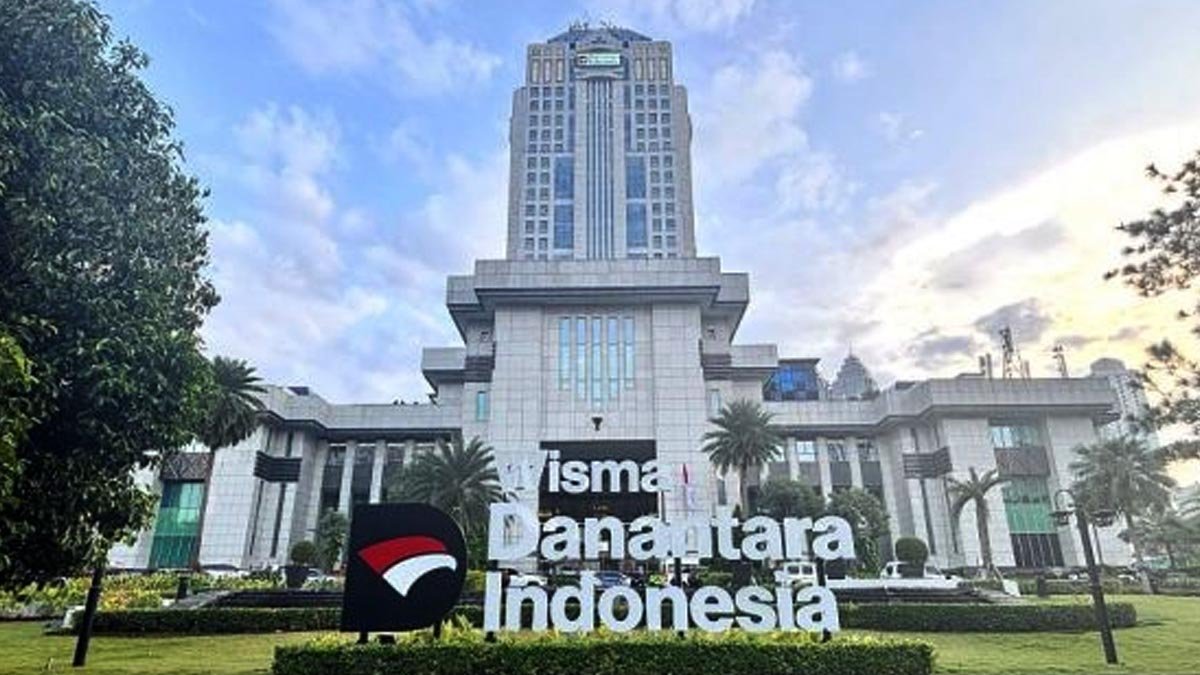
PALMOILMAGAZINE, JAKARTA – Danantara Indonesia has reaffirmed that the mandate assigned to PT Danantara Sumberdaya Indonesia (DSI) is designed to strengthen export governance rather than impede the flow of Indonesia’s strategic natural resource (SDA) exports.
In an official statement received by Palmoilmagazine.com on Sunday (7/6/2026), Danantara emphasized that maintaining business certainty for exporters remains a top priority. Existing export contracts will continue to be honored and executed as normal, provided there are no indications of under-invoicing or the intentional reporting of export values below actual transaction levels.
According to Danantara, preserving the confidence of international buyers and investors is essential to maintaining Indonesia’s competitiveness in global commodity markets. As a result, DSI’s policies are being structured to enhance the transparency, credibility, and accountability of Indonesia’s export trade system.
Also Read: Indonesia’s palm oil export reform risks leaving sustainability outside the gate
Transition Period Focuses on Digital Monitoring
The government officially launched DSI’s transition period on June 1, 2026, with initial efforts centered on strengthening digital reporting and monitoring mechanisms.
DSI is currently developing an integrated digital platform capable of analyzing export transaction data across a wide range of strategic commodities. The system is expected to improve the detection of potential under-invoicing practices through objective, data-driven assessments.
By leveraging digital oversight, authorities aim to enhance monitoring capabilities without disrupting legitimate export activities.
Also Read: Minister Amran Pushes for Higher Palm Oil FFB Prices, Vows Direct Oversight of Industry Compliance
“Most transactions that comply with fair market principles will continue to proceed normally, while closer attention will be directed toward transactions requiring further evaluation,” Danantara stated.
The organization also stressed that DSI will maintain strict confidentiality over all commercial information obtained through export monitoring activities, including transaction records and contractual arrangements belonging to exporting companies.
This commitment is intended to provide assurance to businesses that comply with regulations, while also helping to preserve legal certainty and a favorable investment climate across Indonesia’s natural resource sectors.
Also Read: DSNG Distributes IDR 498 Billion in Dividends; Shareholders Approve All Items on the 2026 AGM Agenda
DSI to Act as Export Facilitator
Once the transition period concludes, DSI will assume a facilitative role in overseeing and supporting exports of strategic natural resource commodities.
Under the planned framework, commercial relationships between producers and international buyers will remain intact, allowing transactions to continue directly without significant changes to existing trading mechanisms.
The phased implementation is intended to minimize disruptions to national exports while advancing DSI’s core objective of creating a more transparent, equitable, and manipulation-free trading environment.
Authorities indicated that the policy will be reviewed periodically, taking into account industry readiness and the effectiveness of implementation.
Transparent Pricing Methodology
As part of its oversight mandate, DSI will develop commodity-specific pricing methodologies designed to ensure that reported export values accurately reflect actual market transactions.
The pricing framework will consider factors such as product quality, commodity specifications, logistics costs, and contractual arrangements. This approach is intended to accommodate legitimate commercial price differences while preventing practices that could artificially reduce export values.
Also Read: Indonesia Customs Ready to Enforce New Export Controls for Palm Oil, Coal, and Ferroalloys
Danantara and DSI also pledged to maintain open communication with exporters, industry associations, and other stakeholders throughout the implementation process.
The collaborative approach is expected to support the smooth export of Indonesia’s key revenue-generating sectors, including plantations, mining, and other strategic natural resource industries.
Through stronger governance built on transparency, accountability, and integrity, the government aims to ensure more accurate recording of export values while strengthening international confidence in Indonesia’s trade system. (P2)