The Musi Banyuasin cooperative is positioning itself beyond supplying fresh fruit bunches, with plans to expand into CPO processing and potentially refinery operations.
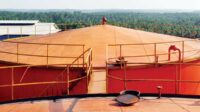
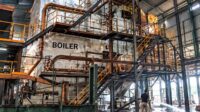
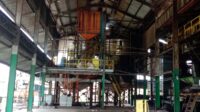
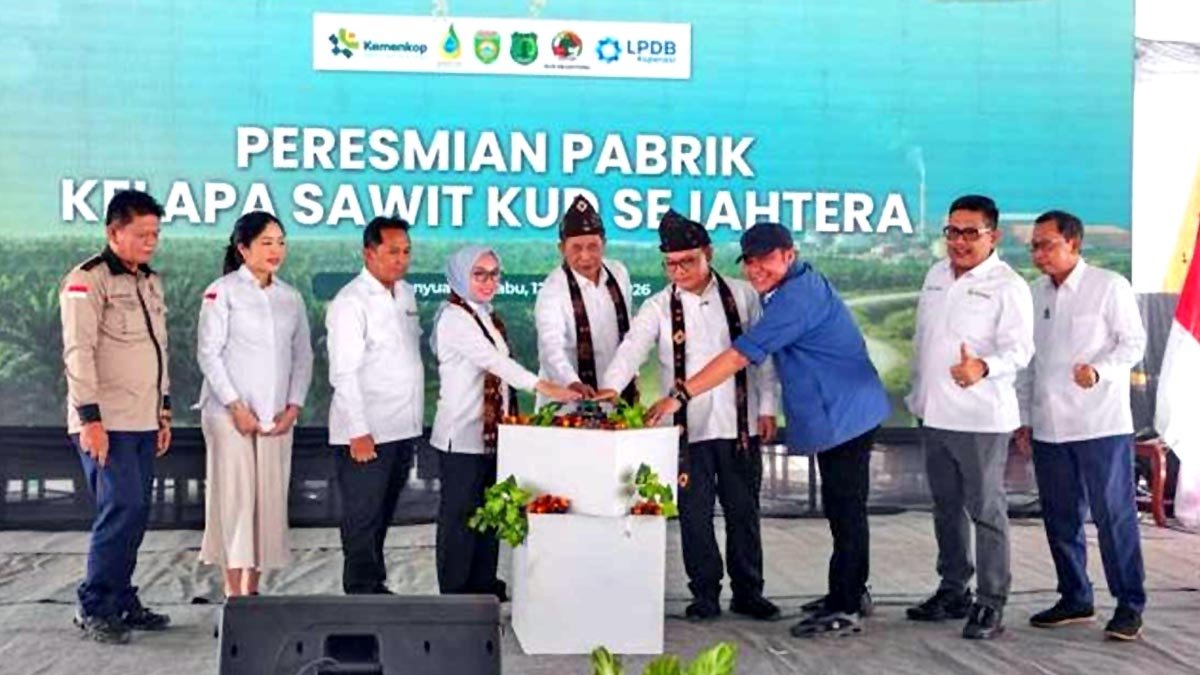
PALMOILMAGAZINE, MUSI BANYUASIN, Indonesia — Cooperatives are being encouraged to play a larger role in Indonesia’s downstream palm oil industry, marked by the inauguration of the KUD Sejahtera palm oil mill in Musi Banyuasin, South Sumatra. The facility is being positioned as a potential model for cooperative-based palm oil downstream development.
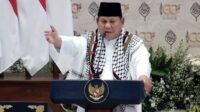
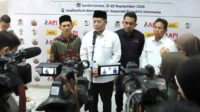
Minister of Cooperatives Ferry Juliantono inaugurated the mill on Wednesday, August 12, 2026. The processing facility is expected to strengthen the cooperative’s business capacity while enabling smallholders to capture a greater share of the value generated from their palm oil production.
Ferry said the KUD Sejahtera mill demonstrates that cooperatives can move beyond supplying raw materials and become directly involved in processing plantation commodities.
Also Read: Indonesian Palm Oil Farmers Reject Jambi Mill Moratorium Plan, Warn of Higher Costs
“Today, we can see firsthand the palm oil or CPO mill owned by KUD Sejahtera. This palm oil mill will become an example that we can replicate in other regions,” Ferry said.
He said expanding the number of cooperatives that own processing facilities could create greater opportunities for smallholders to benefit from the added value of their crops.
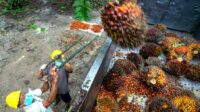
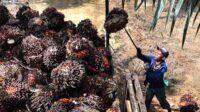
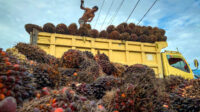
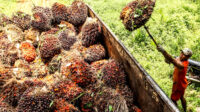
Most smallholders affiliated with cooperatives currently remain concentrated in the upstream segment, selling fresh fruit bunches (FFB) to processing companies. Cooperative ownership of palm oil mills could change that position by giving farmers greater access to the broader palm oil value chain.
Also Read: Palm Oil Mills Without Plantations Raise Concerns Over Supply Traceability
Ferry also opened the possibility of cooperatives advancing into refinery operations. As more cooperatives establish CPO mills, they could gradually expand into cooking oil and other downstream palm oil products.
“If more cooperatives have their own mills, there is no reason why we cannot eventually build refineries and produce our own cooking oil, which can then be sold to KDKMP,” he said.
Also Read: Agrinas Palma Strengthens Cooperative-Based Plasma Partnerships with Government Support in Riau
Cooperatives and Agrinas Palma
Opportunities for cooperative-based palm oil downstream development could also expand through planned cooperation with PT Agrinas Palma Nusantara (Persero).
The state-owned company has been mandated to manage oil palm plantations resulting from government enforcement actions against plantations located in forest areas through the Forest Area Enforcement Task Force (Satgas PKH).
Also Read: Indonesia Warns Palm Oil Mills Over FFB Underpricing, Threatens License Revocations
The land could potentially be managed in partnership with cooperatives. Cooperation between Agrinas Palma, cooperatives and smallholder plantations is expected to strengthen productivity while providing a more reliable supply of raw materials for downstream industries.
Ferry said the government would continue expanding cooperative-based downstream development, with more cooperatives expected to enter palm oil processing.
“In time, we will also move into processing downstream products. Around 20–40 cooperatives are expected to establish palm oil processing plants,” he said.
Also Read: Dry Season Fire Risk Rises, APHI-GAPKI Urge Palm Oil and Forestry Companies to Act Early
KUD Sejahtera Expands Mill Capacity
Presidential Chief of Staff and retired Indonesian Army General Dudung Abdurachman welcomed the inauguration, saying the cooperative-owned CPO mill demonstrates that cooperatives can become a significant pillar of the people’s economy.
Dudung said cooperatives have a strategic role in driving economic activity at the regional level. Village-level cooperatives, he added, should help communities gain greater access to economic services and opportunities.
Also Read: South Sumatra Independent Smallholder FFB Prices Reach IDR 3,574.95/kg in August 2026
“Congratulations to KUD Sejahtera. The mill must be managed properly and its benefits must be felt by the community, especially farmers. It must have a real impact, increasing the welfare of members and demonstrating tangible progress for the cooperative,” Dudung said.
South Sumatra Governor Herman Deru said the inauguration marked an important milestone for the development of the cooperative movement in the province. The processing facility, he said, demonstrates that cooperatives can expand their businesses and compete with other entities, including private companies and state-owned enterprises.
Meanwhile, KUD Sejahtera Chairman Tamrin said the mill’s processing capacity has been increased to 45 tonnes of FFB per hour, from 30 tonnes per hour previously.
The mill sources its raw materials from FFB supplied by farmers and cooperative members. The cooperative also establishes FFB purchase prices in advance, giving farmers greater certainty over the selling price of their harvests. (P2)