
PALMOILMAGAZINE, JAKARTA – The Indonesian government, through the Kementerian Pertanian Republik Indonesia, is intensifying efforts to strengthen the Cattle–Oil Palm Integration System (SISKA) as part of a broader strategy to enhance livestock productivity and reinforce national food security.
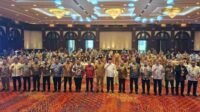
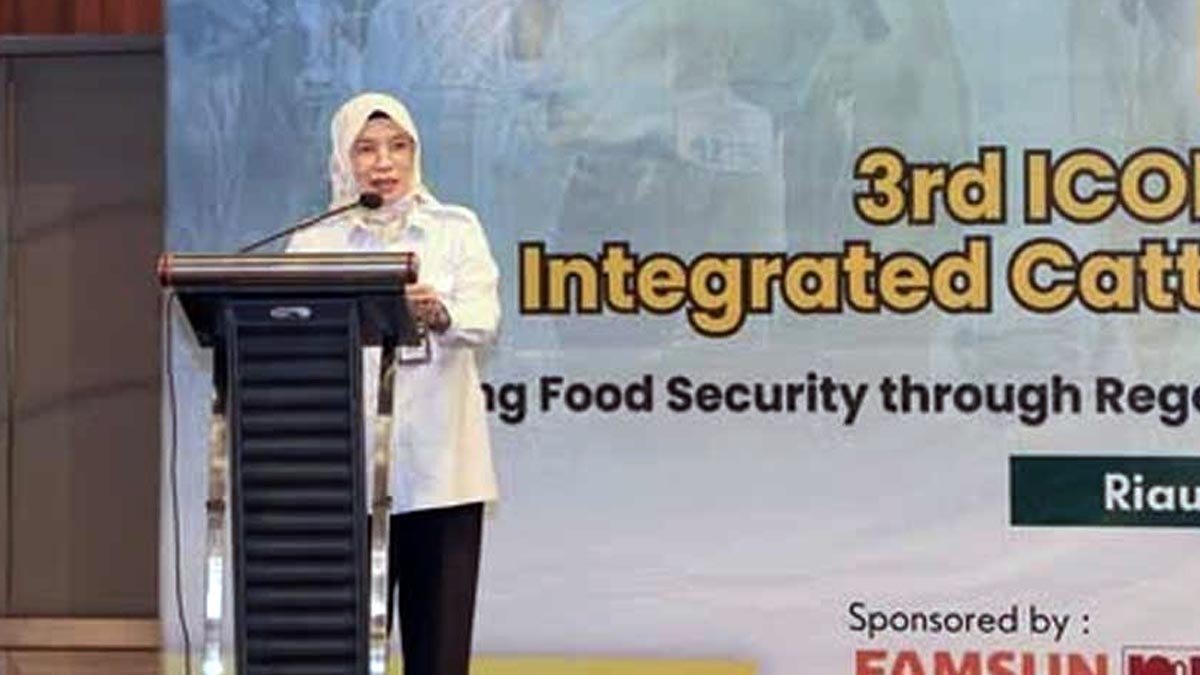
According to an official statement from the Integrated Cattle and Oil Palm Conference 2026 held on Wednesday (April 8, 2026), the development of SISKA has become a key focus at the 3rd ICOP 2026 in Pekanbaru, Riau.
Rachmat Pambudy, Minister of National Development Planning/Head of Bappenas, emphasized that integrating the livestock and plantation subsectors is essential to strengthening an economy based on domestic resources.
Also Read: PTPN IV PalmCo Leads Pilot of Tanzanian Pollinators to Enhance Palm Oil Yields
He noted that Indonesia holds significant potential in both sectors but requires a more integrated, efficient, and sustainable management approach to fully unlock its benefits.
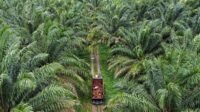
The integration of cattle with oil palm plantations offers multiple advantages, including reduced feed costs through the use of plantation by-products, improved livestock productivity, and additional income streams for farmers.
Meanwhile, the Ministry of Agriculture underscored that SISKA is a core component of its long-term strategy for sustainable livestock development. Tri Melasari, Director of Feed at the Directorate General of Livestock and Animal Health, stated that production systems based on local resources are critical to improving the competitiveness of the livestock sector.
Also Read: Prabowo Subianto Targets Palm-Based SAF Expansion with Massive Refinery Investment
She highlighted that palm oil–cattle integration provides a practical solution for building efficient and sustainable production systems.
From the event’s organizing side, Arifin Budiman Nugraha described the international forum as a vital platform for aligning perspectives and addressing global challenges in agriculture and livestock sectors.
At the regional level, Syahrial Abdi, Regional Secretary of Riau Province, pointed out that the region holds strong potential for developing SISKA based on regenerative agriculture principles. This approach is seen as capable of preserving natural resources while improving productivity and land-use efficiency.
Also Read: Indonesia Advances B50 Biodiesel as Mining Trials Confirm Operational Reliability
He added that such integration not only enhances production but also delivers direct economic benefits to both farmers and livestock breeders.
Through the strengthening of SISKA, the government aims to provide practical solutions for farmers facing global challenges, while ensuring business sustainability and improving livelihoods.
Close collaboration among government institutions, academics, and industry players is expected to accelerate the implementation of SISKA across regions, ultimately supporting sustainable, protein-based national food security. (P2)