PALMOILMAGAZINE, Kuala Lumpur — Palm-based downstream products are increasingly strengthening their strategic role in the global market. One product drawing growing attention is Palm Acid Oil (PAO), which has evolved from a traditional soap raw material into a key feedstock for renewable energy, oleochemicals, and animal feed industries.
As reported by Palmoilmagazine.com, citing an article by Hajar Shamsudin of the Malaysian Palm Oil Council (MPOC) on Sunday (January 4, 2026), PAO is a by-product generated from the alkaline refining of palm oil. Its high free fatty acid (FFA) content makes it highly suitable for a wide range of industrial applications.
Technically, PAO is a fatty acid fraction obtained through distillation from palm oil mill effluent (POME) and chemically refined palm oil. It consists of neutral oil, FFA levels exceeding 50 percent, and low moisture content of around 2–3 percent. These characteristics make PAO particularly well suited for biodiesel production, animal feed, and soap manufacturing.
Also Read: Malaysian Palm Oil Futures Rise, Supported by Soyoil Gains and Weaker Ringgit
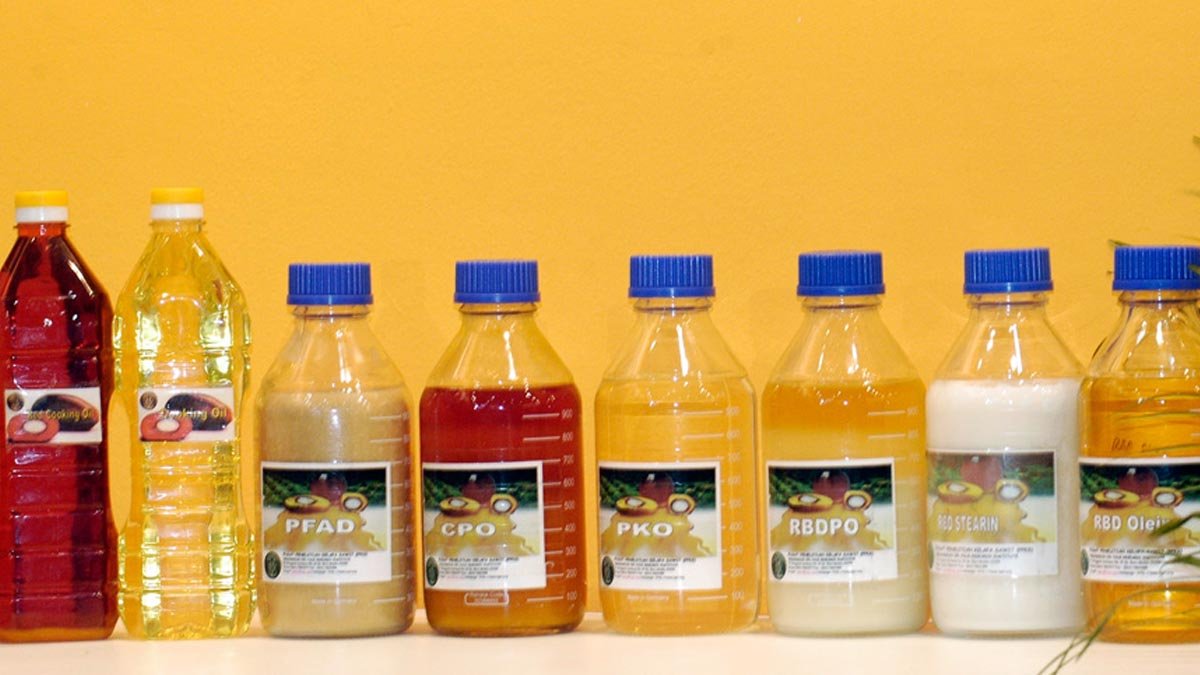
Although its FFA content is slightly lower than that of Palm Fatty Acid Distillate (PFAD), PAO shares similar chemical properties. This flexibility positions PAO as an efficient and sustainable alternative within the global supply chain, especially as the clean energy transition accelerates worldwide.
Rapid Global Market Expansion
In value terms, the global PAO market was estimated at US$820 million in 2025 and is projected to grow at a compound annual growth rate (CAGR) of 8.5 percent through 2034, potentially reaching around US$1.72 billion. This expansion is being driven primarily by surging demand for biodiesel feedstock, supported by renewable energy policies and carbon emission reduction targets across major economies.
Also Read: KPBN CPO Price Rises on Wednesday (January 7), Malaysian Palm Oil Futures Strengthen
Beyond bioenergy, demand for PAO in oleochemicals and animal feed continues to rise, in line with growing global consumption of soaps, detergents, and livestock nutrition products. Its cost efficiency, broad usability, and compatibility with green policies are expected to keep PAO a strategic commodity over the next decade.
From Biodiesel to Cosmetics
In the biodiesel sector, PAO serves as an important feedstock due to its high FFA content, which is ideal for transesterification processes. The strongest demand comes from regions with biofuel blending mandates, notably Malaysia, Indonesia, and the European Union.
Also Read: India’s Food Association Warns “No Palm Oil” Labels May Mislead Consumers
Within the oleochemical industry, PAO is processed into fatty acids and intermediate materials for cosmetic and chemical manufacturing, including glycerine and esters. Meanwhile, in the soap and detergent sector, the lauric and palmitic acid content of PAO enhances cleansing performance and soap hardness, making it a preferred raw material for large-scale production.
Sweden and Italy Emerge as Distinct EU Markets
Within the EU-27, Sweden and Italy have emerged as notable PAO markets. In the first nine months of 2025, Malaysia exported 64,151 tons of PAO worth 237 million Malaysian ringgit, or approximately €49 million, to the two countries.
Sweden recorded the largest volume, importing more than 53,000 tons between January and September 2025. This is considered unusual, given Sweden’s relatively small population of about 10.5 million, and even exceeded its imports of several more commonly traded palm-based products.
Italy, meanwhile, began importing PAO in 2025 after recording zero imports in 2024, opening new opportunities for Malaysian exporters in the European market. (P2)