PALMOILMAGAZINE, JAKARTA – Amid growing global scrutiny of the palm oil industry, Indonesia continues to make significant progress in strengthening the sector’s sustainability foundations, particularly through the development of genetic resources.
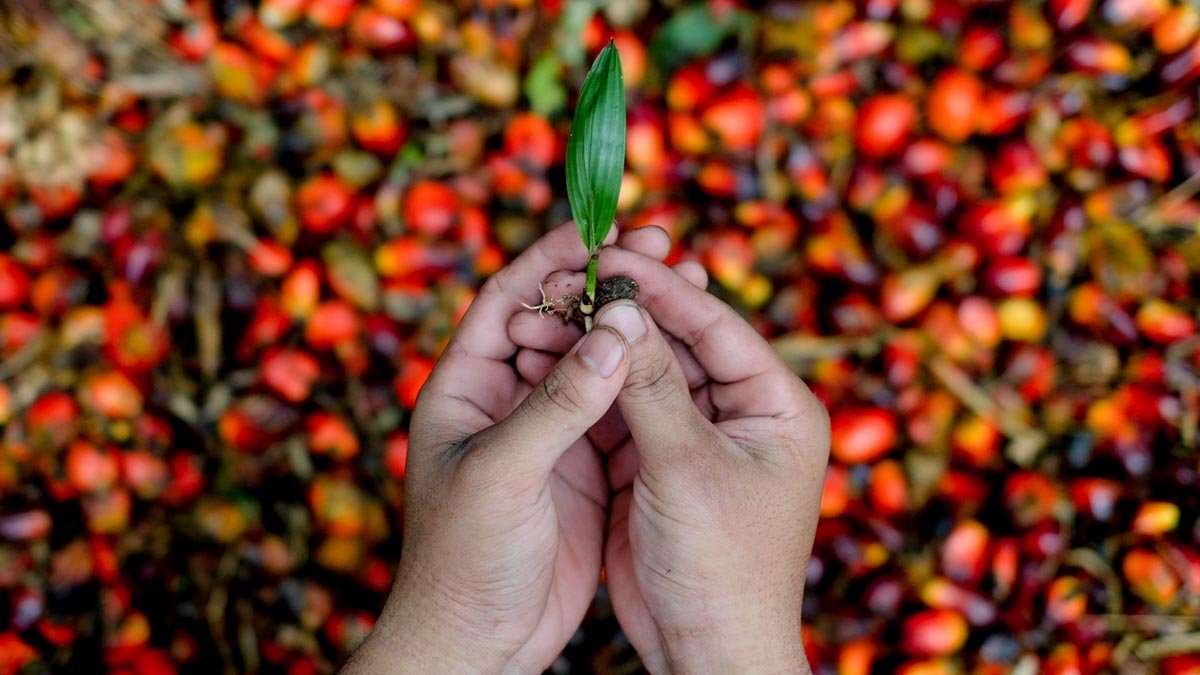
Senior Vice President of Business Development at PT Riset Perkebunan Nusantara (RPN), Edy Suprianto, revealed that Indonesia has developed dozens of superior oil palm varieties through long-term national research efforts.
“To date, Indonesia has developed 83 oil palm varieties. Of these, 76 are derived from Dura x Pisifera crosses, six are clonal varieties, one is a semi-clone, 12 show moderate resistance to Ganoderma, and four are drought-tolerant,” he explained.
Also Read: Hormuz Strait Tensions Trigger Energy Crisis and Global Food Supply Risks
A Strong Foundation for Productivity and Resilience
Edy emphasized that these achievements represent more than just numbers—they reflect decades of consistent research and plant breeding conducted by Indonesian scientists.
He stressed that strengthening genetic resources is essential to addressing key industry challenges, including disease pressure and the impacts of climate change.
“This is the fundamental foundation. Without strong genetic resources, it is difficult to improve productivity while maintaining crop resilience,” he noted.
Also Read: Indonesia’s Social Forestry Model Boosts Sustainable Livelihoods While Protecting Forests
From Dura Deli to Global Genetic Exploration
Indonesia’s oil palm genetic research traces back to the Dura Deli material originating from East Sumatra, which remains a cornerstone for global oil palm breeding programs.
Since 2008, RPN, in collaboration with national research consortia, has expanded genetic exploration to multiple countries considered centers of origin for oil palm.
These efforts include expeditions to Cameroon in 2008, which collected 103 accessions; Angola in 2010 with 127 accessions; Ecuador in 2019 with 12 accessions; and most recently Tanzania in 2024, where around 100 new accessions were secured.
Also Read: Farewell, Birutė Galdikas, the Woman Who Dedicated Her Life to Orangutans
“Each region offers unique genetic traits. Some provide stronger disease resistance, while others are more adaptable to extreme drought conditions,” Edy explained.
Closing the Gap with Malaysia
Despite this progress, Edy acknowledged that Indonesia still lags behind competitors such as Malaysia in terms of genetic resource collections.
Currently, Indonesia has gathered genetic materials from only three centers of origin, while Malaysia has collected from approximately 18 regions.
The recent expedition to Tanzania is therefore seen as a strategic move to enrich Indonesia’s germplasm and strengthen its research base.
Also Read: New ISPO Policy Expands to Downstream Sector, Indonesia Tightens Palm Oil Sustainability Standards
“This kind of exploration is crucial to ensure we do not fall behind. In the future, the sustainability of the palm oil industry will depend heavily on the strength of research and the diversity of genetic resources we possess,” he concluded.
With continued investment in genetic resource development, Indonesia is expected to enhance the competitiveness of its palm oil industry while responding more effectively to global sustainability challenges. (P2)