

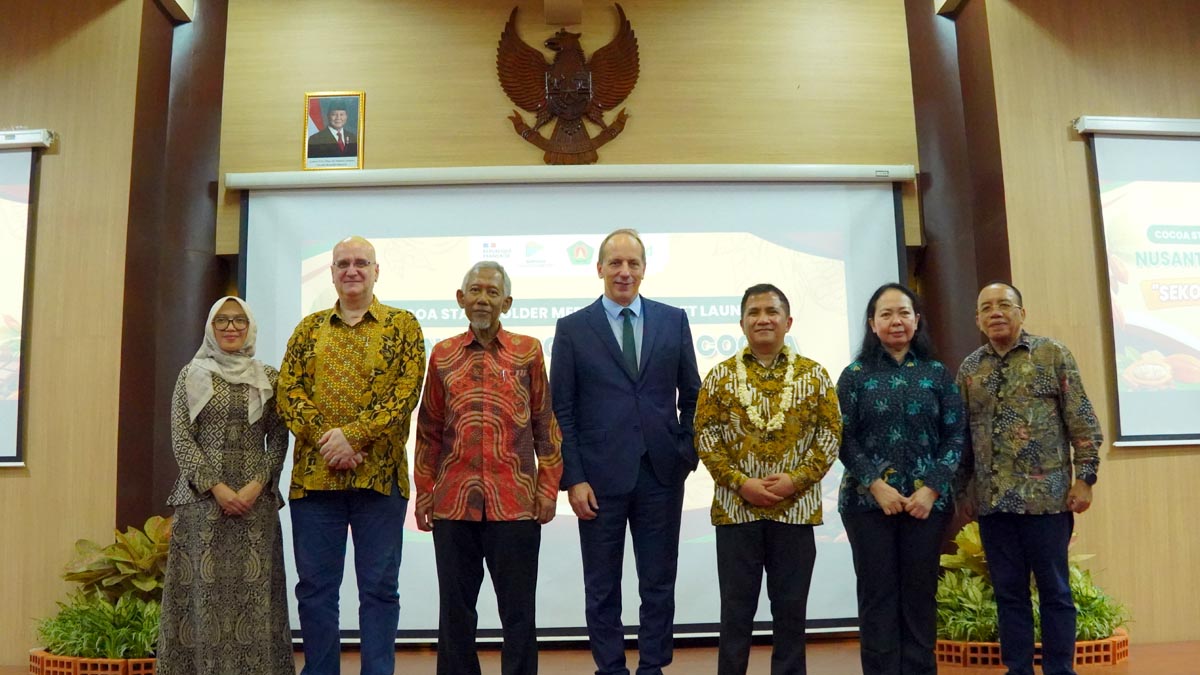
PALMOILMAGAZINE, YOGYAKARTA — France and Indonesia have taken a new step towards strengthening Indonesia’s cocoa industry through the soft launch of the Nusantara School of Cocoa, an initiative designed to develop local expertise, improve product quality and support a more competitive and sustainable cocoa value chain.
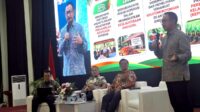
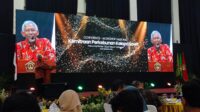
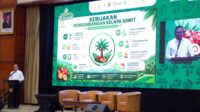
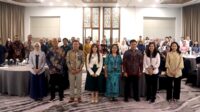
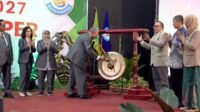
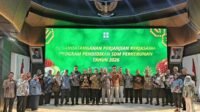
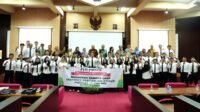
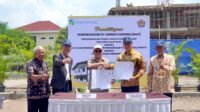
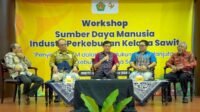
The initiative was introduced on November 27, 2026, during the 2026 Cocoa Stakeholder Meeting (CSM) at the Institut Pertanian Stiper (INSTIPER) in Yogyakarta. The event brought together the French Embassy in Indonesia, Timor-Leste and ASEAN; INSTIPER; Indonesia’s Ministry of National Development Planning (Bappenas); and the French Agricultural Research Centre for International Development (CIRAD).
The meeting was attended by French Ambassador to Indonesia, Timor-Leste and ASEAN Fabien Penone; Bappenas Director of Food and Agriculture Jarot Indarto; Deputy Director of Food, Natural Resources and Environment Leonardo Adypurnama Alias Teguh Sambodo; and Director of the Beverage Industry, Tobacco Products and Refreshments at the Ministry of Industry, Merrijantij Punguan Pintaria.
Also Read: Indonesia Strengthens Palm Oil Traceability Under EUDR, Alongside Cocoa and Coffee
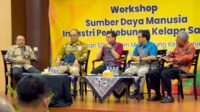
Held under the theme “Transforming Indonesia’s Cocoa Sector through Human Resource Development, Technological Innovation and Sustainable Industrial Development,” the meeting brought together government representatives, cocoa industry associations, research institutions, farmer cooperatives, academics and university leaders to discuss the future direction of Indonesia’s cocoa industry.
The launch marks a new phase in France-Indonesia agricultural cooperation, with human resource development positioned as a key driver of efforts to improve productivity, strengthen quality standards and increase the added value of Indonesian cocoa.
Investing in Expertise to Transform Indonesia’s Cocoa Industry
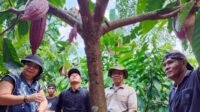
Indonesia remains one of the world’s major cocoa-producing countries. However, the industry continues to face structural challenges, including ageing plantations, inconsistent bean quality and limited value addition across the supply chain.
Addressing these challenges requires more than increasing production. The sector also needs stronger quality standards, technological innovation, skilled local professionals and a distinctive identity for Indonesian cocoa, whose flavour profiles vary across producing regions.
Also Read: INSTIPER Rector Calls for Adaptive Partnership Models to Support Indonesia’s Palm Oil Industry
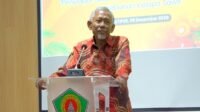
INSTIPER Rector Harsawardana said the challenges facing Indonesia’s cocoa industry extend from upstream cultivation to downstream processing, highlighting the need for comprehensive improvements throughout the value chain.
“Problems in the cocoa industry are not limited to the upstream cultivation sector, where Indonesia’s cocoa production continues to decline. Challenges also exist downstream, particularly because farmers have yet to consistently implement proper post-harvest practices, including adequate fermentation, which directly affects bean quality,” he said.
He also pointed to the predominance of family-based cocoa farming businesses and the ageing profile of many cocoa farmers as issues requiring immediate attention.
Also Read: KPBN Inacom CPO Tender Withdrawn at IDR 13,739/kg on Nov. 26, Rotterdam Prices Fall US$20
“Concrete measures are needed to address these challenges. As a university with expertise in plantation agriculture, INSTIPER is ready to play an active role in developing skilled human resources for the cocoa industry through the Nusantara School of Cocoa,” Harsawardana added.
The initiative has also received support from Indonesia’s Ministry of Industry. Merrijantij Punguan Pintaria said the ministry had been providing assistance to cocoa farmers through several capacity-building programmes, including training-of-trainers initiatives.
Through these programmes, trained participants are expected to transfer improved cultivation knowledge and practices to farming communities in their respective areas.
Also Read: Palm Oil Partnerships Must Deliver Real Benefits to Communities, KAINSTIPER Chairman Says
“This demonstrates the Ministry of Industry’s commitment to supporting not only downstream industrial development but also improvements in the upstream cocoa sector,” she said.
Drawing on lessons from previous French-Indonesian cooperation in coffee development, the two countries are seeking to strengthen the cocoa value chain by improving quality compliance while enhancing the value and international recognition of Indonesian cocoa.
The Nusantara School of Cocoa is expected to support this ambition through structured training and knowledge-sharing programmes covering different stages of the cocoa value chain.
Also Read: INSTIPER Launches National Coffee School, Integrating Education from Farm to Coffee Business
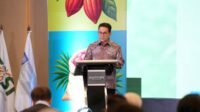
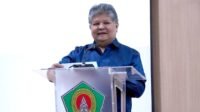
Opening the 2026 Cocoa Stakeholder Meeting, Jarot Indarto emphasized that Indonesia’s cocoa transformation should focus on developing a stronger domestic processing industry rather than relying primarily on raw bean exports.
“Transforming Indonesia’s cocoa sector is not simply about increasing production volumes. It is about moving away from raw bean exports towards high-value-added processing and strengthening the sovereignty of rural agroindustry. Bappenas is ready to support the initiatives discussed today,” Jarot said.
Building on IndoKAKAO: From Scientific Cooperation to Practical Training
The Nusantara School of Cocoa builds on the IndoKAKAO project, which was launched in Jakarta in September 2025 through cooperation between Indonesia’s Ministry of National Development Planning (Bappenas), the French Embassy and CIRAD.
IndoKAKAO aims to strengthen Indonesia’s cocoa value chain through scientific research, technical cooperation, training, quality improvement and the adoption of sustainable agricultural practices.
Also Read: Bumitama Highlights Social and Cultural Approach to Prevent Oil Palm Plantation Conflicts
Fabien Penone said the new initiative represented an important development in agricultural cooperation between France and Indonesia, an area identified as a priority by French President Emmanuel Macron and Indonesian President Prabowo Subianto.
“The launch of the Nusantara School of Cocoa marks a new milestone in the agricultural partnership between France and Indonesia. Building on IndoKAKAO and other long-term projects of mutual interest, a bilateral roadmap for agricultural cooperation is currently being developed,” Penone said.
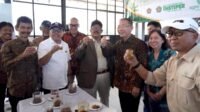
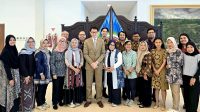
A tangible outcome of the IndoKAKAO collaboration emerged on November 9, 2026, when the first chocolate produced through the project was introduced at the French Ambassador’s Residence in Jakarta.
Also Read: Indonesia Palm Oil Production Rises 12.03% in September, Stocks Fall to 2 Million Tonnes
The product demonstrated how scientific cooperation and technical expertise could be translated into practical results for Indonesia’s cocoa industry.
During the occasion, INSTIPER proposed a more structured training framework, including the establishment of a dedicated cocoa school, to expand the knowledge and technical capabilities developed through IndoKAKAO.
INSTIPER has since become a key partner in developing the training framework.
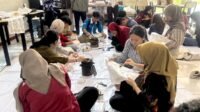
Throughout 2026, IndoKAKAO organised several capacity-building activities, including a Participatory Prospective Analysis workshop in Palu, Central Sulawesi, on July 21–24, followed by sensory analysis training sessions in Jember on October 14–16 and Yogyakarta on October 19–21.
For the first time in Indonesia, these training sessions were delivered by Indonesian trainers who had previously received training in France from CIRAD.
The development marks an important step towards strengthening domestic expertise, enabling Indonesian professionals to transfer technical knowledge and practical skills to other industry stakeholders.
The project is scientifically and technically coordinated by CIRAD in collaboration with Indonesian partners, including the Agency for Agricultural Assembly and Modernization (BRMP), the Indonesian Coffee and Cocoa Research Institute (ICCRI), INSTIPER, the Indonesian Bean-to-Bar Chocolate Producers Association (ACBI), Jika Chocolat, as well as farmer cooperatives and associations.
CIRAD Regional Director Jean-Marc Roda and INSTIPER Rector Harsawardana said the initiative was intended to serve a broader purpose than conventional academic education.
“CIRAD and INSTIPER share the same vision, but this cocoa school is more than just a school. It is a platform for developing the entire sector, from genes to finished products. It represents a major shift in our cooperation, as we are building a three-part framework that brings together knowledge, technology and the culture of taste,” they said.
Strengthening Partnerships and Investing in the Next Generation
Beyond technical training, France is also supporting the development of Indonesia’s next generation of agricultural professionals through university partnerships, joint scholarships and potential co-financing from the French Development Agency (Agence française de développement or AFD).
The Nusantara School of Cocoa reflects this approach by placing human resource development at the centre of sustainable agricultural innovation while strengthening connections between education, research and the cocoa industry.
One of the existing cooperation programmes is LPDP-France, a co-funded scholarship partnership between Indonesia’s Education Fund Management Agency (LPDP) and the French Institute in Indonesia (Institut français d’Indonésie or IFI).
The programme provides opportunities for Indonesian students to pursue master’s and doctoral studies in France, including in agronomy and food science.
Meanwhile, the second phase of IndoKAKAO, which began in 2026, focuses on improving cocoa fermentation and bean quality, developing agroforestry systems, expanding farmer training and supporting the preparation of a sustainable cocoa development plan for Central Sulawesi.
By integrating scientific research, professional training and market development, the France-Indonesia partnership aims to create practical opportunities for cocoa farmers, researchers, students and industry players.
Beyond cocoa, the collaboration could also provide a model for strengthening other Indonesian agricultural value chains through international knowledge exchange, local capacity development and sustainable innovation.
The establishment of the Nusantara School of Cocoa therefore represents more than a new educational initiative. It signals a broader effort to strengthen Indonesia’s agricultural expertise, improve the competitiveness of its cocoa products and build a more resilient, value-added domestic agroindustry. (P3)